

TESTS
We Perform
Allergy Testing That Answers “What’s Causing This?”
When symptoms keep coming back, or you’ve had a reaction that left you unsure what triggered it, targeted allergy testing can provide clarity. We use a combination of breathing tests, skin testing, and supervised challenges to help identify triggers, confirm or rule out allergies, and guide a treatment plan that fits your life.

Choosing the Right Test for Your Symptoms
Not every symptom requires the same test. During your visit, we’ll match testing to your history so results are meaningful. For example:
- Ongoing cough, wheezing, or shortness of breath may call for spirometry and/or exhaled nitric oxide
- Sneezing, congestion, itchy eyes, or suspected environmental triggers often start with skin testing
- Suspected food allergy may require skin/blood testing and, when appropriate, a food challenge
- Persistent rashes from metals, fragrances, cosmetics, or workplace exposures may benefit from patch testing
What Each Test Measures

Exhaled Nitric Oxide (FeNO)
A simple breath test that can help assess airway inflammation often linked with allergic asthma. It can be useful for evaluating symptoms and monitoring response to treatment.

Spirometry
A breathing test that measures airflow and lung function. Spirometry helps evaluate asthma, chronic cough, exercise-related symptoms, and other breathing concerns.

Skin Testing
A quick in-office test that checks for reactions to common environmental allergens (like pollen, dust mites, mold, and pet dander) and sometimes foods, depending on your history.

Food Challenges
A medically supervised way to confirm whether a food truly causes symptoms. Food challenges can also help determine if someone has outgrown a known food allergy.
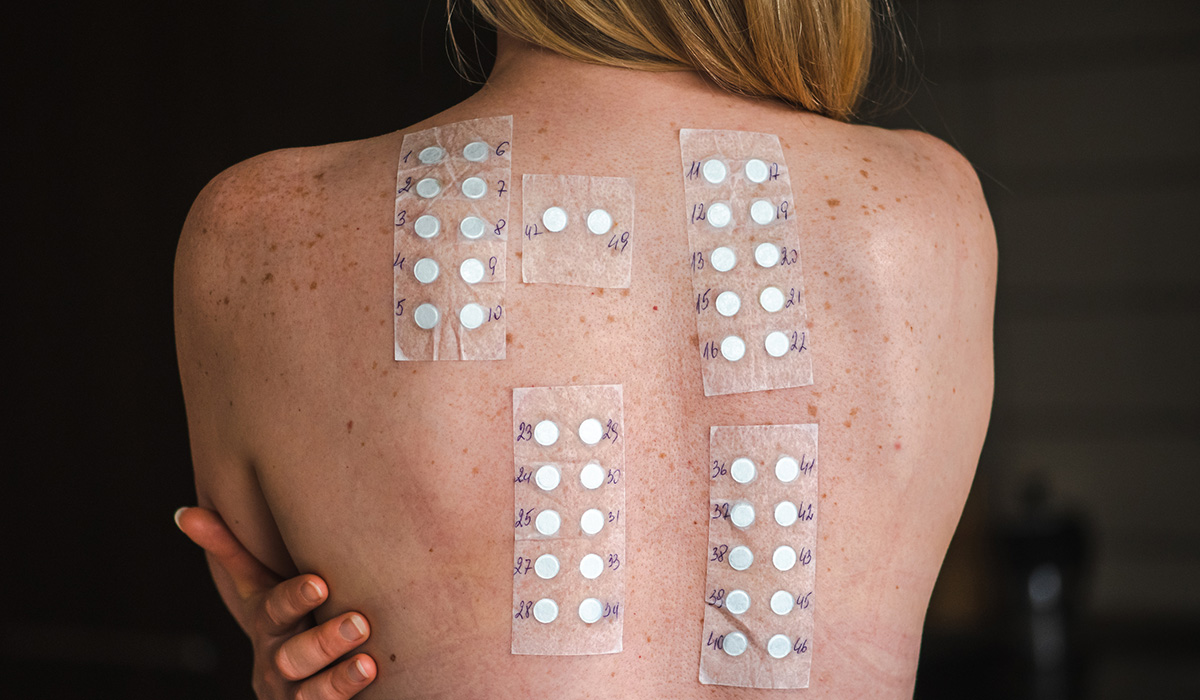
Patch Testing for Contact Allergies
Designed to evaluate delayed skin reactions, often caused by contact with substances like nickel, preservatives, fragrances, rubber accelerators, and topical products.

Drug Challenges (including antibiotics)
Used to help rule out or confirm a medication allergy when appropriate. Many “antibiotic allergies” are later found not to be true allergies, so evaluation can expand safe options in the future.

Vaccine Testing
For those with concerning prior reactions, testing may help clarify risk and guide next steps for future vaccination when appropriate.
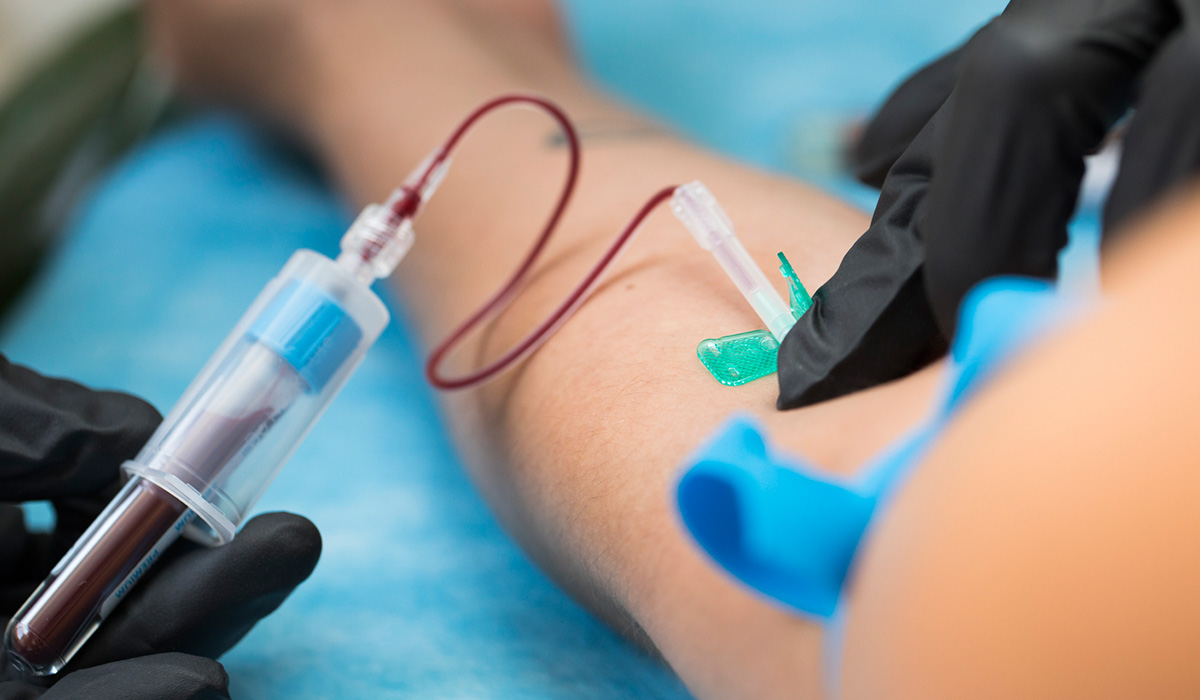
Venom Testing
Evaluates allergy to stinging insects (such as bees/wasps). This can guide prevention strategies and determine whether treatments like venom immunotherapy may be beneficial.
*Penicillin, drug, vaccine and venom testing are all done at least 6 weeks after the initial reaction

Timing After a Reaction (Your Note, Expanded for Clarity)
For safety and accuracy, penicillin, drug, vaccine, and venom testing are performed at least 6 weeks after the initial reaction. This window helps reduce the chance of misleading results and supports safer decision-making about next steps.
Allergy Testing FAQs
Do I need to stop antihistamines before skin testing?
Often, yes, many antihistamines can interfere with results. We can provide a medication list and timing guidance before your appointment.
Is testing painful?
Most patients describe skin testing as mildly uncomfortable or itchy rather than painful. Breathing tests are noninvasive.
Will testing tell me exactly what I’m allergic to?
Testing is most helpful when paired with your symptom history. Results are interpreted in context to avoid false positives and focus on what’s clinically relevant.
Can children be tested?
Yes, many tests are appropriate for children, and we tailor the approach based on age, symptoms, and history.
When to Seek Urgent Care
If you ever have trouble breathing, throat tightness, widespread hives, dizziness, or swelling of the lips/tongue after an exposure, seek emergency care and follow your prescribed action plan (if you have one). Afterward, allergy testing can help clarify triggers and prevention strategies.